
Why Your Acne Keeps Coming Back — And How to Prevent It
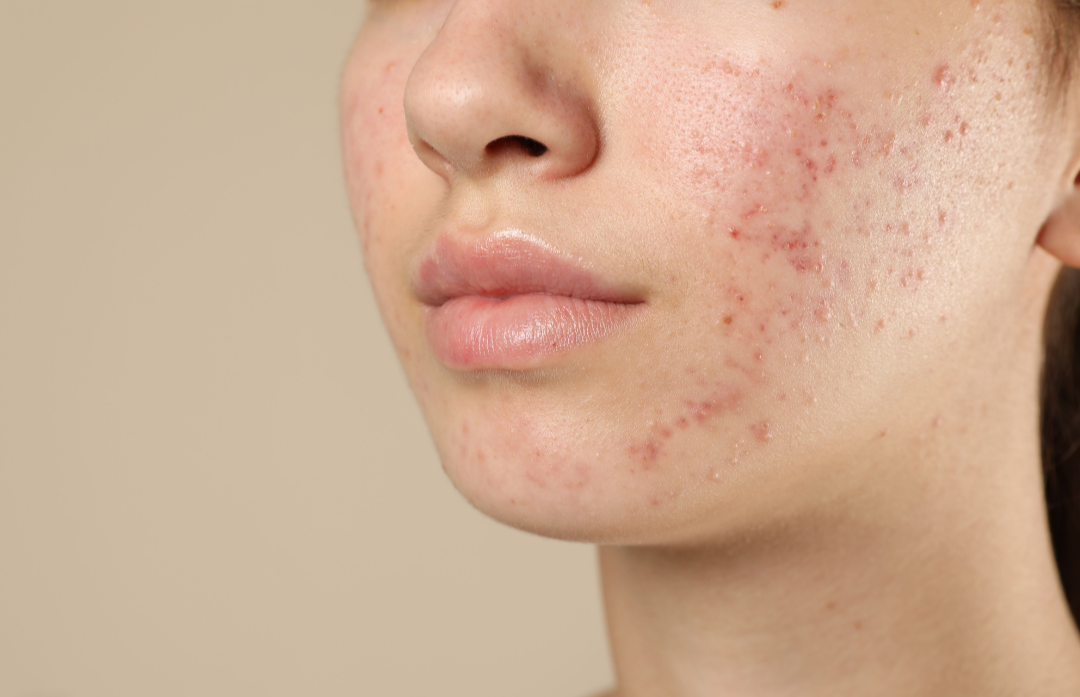
Acne can feel frustrating—especially when breakouts keep returning even after trying different skincare products or treatments. The truth is, recurring acne is very common, and it usually means there are underlying triggers that haven’t been fully addressed.
In this guide, we break down the main reasons acne keeps coming back and what you can do to finally break the cycle for clearer, healthier skin.
What Causes Acne to Keep Coming Back?
Recurring acne happens when the root causes are not fully treated or continue to trigger new breakouts. Acne is not just a surface-level skin issue—it is influenced by oil production, bacteria, hormones, inflammation, and skincare habits.
Here are the most common reasons:
1. Hormonal Imbalance
Hormones play a major role in acne, especially around the jawline and chin area. Androgens can increase oil production, leading to clogged pores and inflammation.
Common signs of hormonal acne:
Breakouts around jawline and chin
Flare-ups before menstrual cycle
Deep, painful pimples under the skin
2. Incomplete or Inconsistent Treatment
Many people stop acne treatment once their skin improves, but acne often requires maintenance. Without consistency, bacteria and oil production can build up again.
This leads to:
Recurrent breakouts
Reduced effectiveness of products over time
Interrupted skin healing process
3. Clogged Pores From Skincare or Makeup
Using heavy or non-comedogenic products can block pores, even if they feel “hydrating.”
Common triggers:
Thick creams or oily products
Sleeping with makeup on
Not properly cleansing the skin
4. Over-Exfoliation or Harsh Products
Using too many active ingredients or strong exfoliants can damage the skin barrier. When the barrier is compromised, skin becomes more reactive and acne-prone.
Signs include:
Redness and irritation
Increased sensitivity
More frequent breakouts
5. Lifestyle Triggers
Your daily habits can also affect acne recurrence.
Common lifestyle factors:
High stress levels
Poor sleep
High sugar or dairy intake (for some individuals)
Touching or picking the face
6. Not Treating Acne at the Root
Topical products may help manage symptoms, but deeper acne often needs professional treatment to address oil glands, bacteria, and inflammation effectively.
How to Prevent Acne From Coming Back
The key to long-term acne control is consistency, proper skincare, and professional guidance when needed.
1. Stick to a Simple, Consistent Routine
A basic routine should include:
Gentle cleanser
Targeted treatment (like salicylic acid or retinoids)
Lightweight, non-comedogenic moisturizer
Daily sunscreen
Avoid constantly switching products, as this can irritate the skin.
2. Use Active Ingredients Correctly
Effective acne-fighting ingredients include:
Salicylic acid (unclogs pores)
Benzoyl peroxide (kills acne bacteria)
Retinoids (increase cell turnover)
Using too many actives at once can irritate the skin, so introduce them gradually.
3. Maintain a Healthy Skin Barrier
A strong skin barrier helps protect against irritation and breakouts.
To support it:
Use hydrating ingredients like ceramides and hyaluronic acid
Avoid harsh scrubs
Don’t over-wash your face
4. Manage Internal Triggers
Lifestyle adjustments can make a big difference:
Reduce stress through rest and relaxation
Get enough sleep
Stay hydrated
Observe dietary triggers if any
5. Get Professional Acne Treatments
For persistent or recurring acne, professional treatments can help target deeper causes.
Options may include:
Deep-cleansing facials
Chemical peels
Microneedling (for acne scars)
Laser treatments for inflammation and bacteria control
Customized acne treatment plans
At Skin Restored, treatments are designed based on your skin type and acne condition to help prevent future breakouts—not just treat current ones.
Why Acne Comes Back Even After Treatment
Acne often returns when treatment only addresses symptoms instead of causes. For long-term results, a combination of skincare, lifestyle changes, and professional care is often needed.
Think of acne management as maintenance, not a one-time fix.
When to Seek Professional Help
You may need professional support if:
Acne keeps returning despite skincare routine
You have painful or cystic acne
You are starting to get acne scars
Over-the-counter products are no longer effective
Early treatment can help prevent long-term scarring and improve overall skin health.
Final Thoughts
Recurring acne is common—but it is manageable with the right approach. By understanding your triggers and building a consistent routine, you can significantly reduce breakouts and improve your skin over time.
For personalized acne solutions, Skin Restored offers customized treatments designed to target the root causes of acne and support long-term skin clarity.
Clear skin isn’t about quick fixes—it’s about the right plan, consistency, and care.
