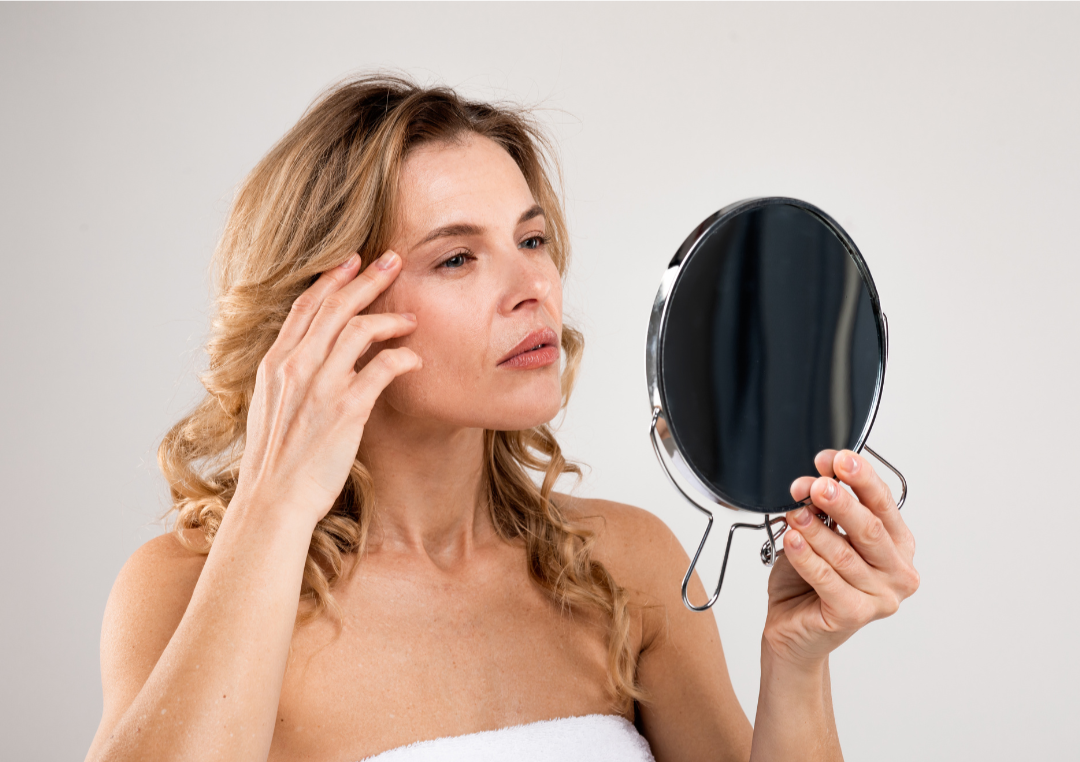
When people think about skin aging, they often focus on genetics or skincare products. While both play a role, your daily habits can have an even greater impact on how your skin looks and ages over time.
From sun exposure and sleep quality to stress levels and nutrition, lifestyle choices influence collagen production, skin elasticity, hydration, and overall skin health. Understanding these factors can help you make informed decisions that support healthier, more youthful-looking skin for years to come.
At Skin Restored, we believe that beautiful skin starts with a combination of professional treatments and healthy lifestyle habits.
Understanding Skin Aging
Skin aging occurs naturally as we get older. Over time, collagen and elastin production slow down, causing skin to become thinner, less firm, and more prone to wrinkles.
There are two types of skin aging:
Intrinsic Aging
This is the natural aging process influenced by genetics and time. It cannot be completely prevented but can be managed with proper skincare and healthy habits.
Extrinsic Aging
This type of aging is caused by external factors such as UV exposure, smoking, poor nutrition, lack of sleep, and environmental stressors. Unlike intrinsic aging, many of these factors can be controlled.
Research suggests that lifestyle-related factors contribute significantly to visible skin aging, making prevention an important part of long-term skin health.
1. Sun Exposure: The Leading Cause of Premature Skin Aging
If there is one habit that has the greatest impact on skin aging, it is unprotected sun exposure.
Ultraviolet (UV) rays penetrate the skin and break down collagen and elastin fibers, leading to:
Fine lines and wrinkles
Hyperpigmentation and sun spots
Uneven skin tone
Loss of skin elasticity
Rough skin texture
Even short periods of daily sun exposure can accumulate over time and contribute to visible signs of aging.
How to Protect Your Skin
Wear broad-spectrum SPF 30 or higher daily
Reapply sunscreen every two hours when outdoors
Wear hats and protective clothing
Seek shade during peak sunlight hours
Consistent sun protection remains one of the most effective anti-aging strategies available.
2. Sleep Quality and Skin Repair
Your skin performs much of its repair work while you sleep. During deep sleep, the body increases blood flow to the skin and supports collagen production and cellular repair.
Poor sleep can contribute to:
Dull complexion
Fine lines
Dark circles
Increased inflammation
Slower skin recovery
Sleep deprivation may also increase cortisol levels, which can accelerate collagen breakdown and affect skin barrier function.
Healthy Sleep Habits
Aim for 7–9 hours of quality sleep each night
Maintain a consistent sleep schedule
Limit screen exposure before bedtime
Create a relaxing nighttime routine
3. Chronic Stress and Skin Aging
Stress affects more than your mood—it can also impact your skin.
When stress levels remain elevated for long periods, the body produces more cortisol. Increased cortisol can contribute to:
Collagen degradation
Inflammation
Acne flare-ups
Delayed healing
Increased skin sensitivity
Many people notice that their skin appears more tired, irritated, or breakout-prone during stressful periods.
Ways to Manage Stress
Regular physical activity
Meditation or mindfulness practices
Spending time outdoors
Maintaining social connections
Prioritizing self-care
Managing stress can benefit both your overall health and your skin.
4. Nutrition and Skin Health
The foods you eat provide the building blocks your skin needs to maintain strength, hydration, and resilience.
A diet rich in antioxidants, vitamins, and healthy fats can help support collagen production and protect against environmental damage.
Skin-Friendly Foods
Fruits and vegetables rich in antioxidants
Fatty fish containing omega-3 fatty acids
Nuts and seeds
Lean proteins
Whole grains
Habits That May Accelerate Aging
Excessive sugar consumption
Highly processed foods
Frequent dehydration
A balanced diet can help support a healthier complexion from the inside out.
5. Hydration Matters More Than You Think
Proper hydration supports many of the skin's essential functions.
Dehydrated skin may appear:
Dull
Tight
Rough
More prone to fine lines
While drinking water alone will not eliminate wrinkles, staying hydrated helps maintain overall skin function and supports a healthy skin barrier.
Hydration Tips
Drink water consistently throughout the day
Use hydrating skincare products
Avoid excessive alcohol consumption
Consider humidifiers in dry environments
6. Smoking and Premature Wrinkles
Smoking is one of the most well-documented causes of premature skin aging.
Smoking restricts blood flow to the skin, reducing oxygen and nutrient delivery. It also damages collagen and elastin, leading to:
Deep wrinkles
Sagging skin
Uneven skin tone
Delayed wound healing
Over time, smoking can significantly accelerate the visible aging process.
7. Alcohol and Skin Health
Excessive alcohol consumption can affect skin appearance in several ways.
Potential effects include:
Dehydration
Increased redness
Inflammation
Puffiness
Loss of skin radiance
Moderation and proper hydration can help minimize these effects.
8. Regular Exercise Supports Healthy Skin
Exercise improves circulation, helping deliver oxygen and nutrients to skin cells.
Benefits of regular physical activity may include:
Improved skin tone
Enhanced circulation
Better stress management
Support for healthy collagen production
Even moderate exercise can contribute to overall skin wellness.
Professional Treatments Can Complement Healthy Habits
While lifestyle choices play a major role in skin aging, professional treatments can help address existing concerns and support long-term skin health.
Depending on your goals, treatment options may include:
Customized facials
Microneedling
Laser skin rejuvenation
Chemical peels
Medical-grade skincare
A personalized treatment plan can help target concerns such as fine lines, uneven tone, pigmentation, and loss of firmness.
The Bottom Line
The way your skin ages is influenced by much more than genetics. Daily habits such as sun protection, sleep quality, stress management, nutrition, hydration, and avoiding smoking can have a significant impact on your skin's appearance over time.
Small lifestyle changes made consistently can help preserve collagen, improve skin health, and support a more youthful complexion for years to come.
At Skin Restored, we take a personalized approach to skin rejuvenation by combining advanced treatments with education and long-term skin health strategies.
If you're ready to improve your skin's health and address signs of aging, schedule a consultation today and discover a customized plan designed for your unique skin needs.