
How to Treat Acne Scars: Expert-Recommended Solutions
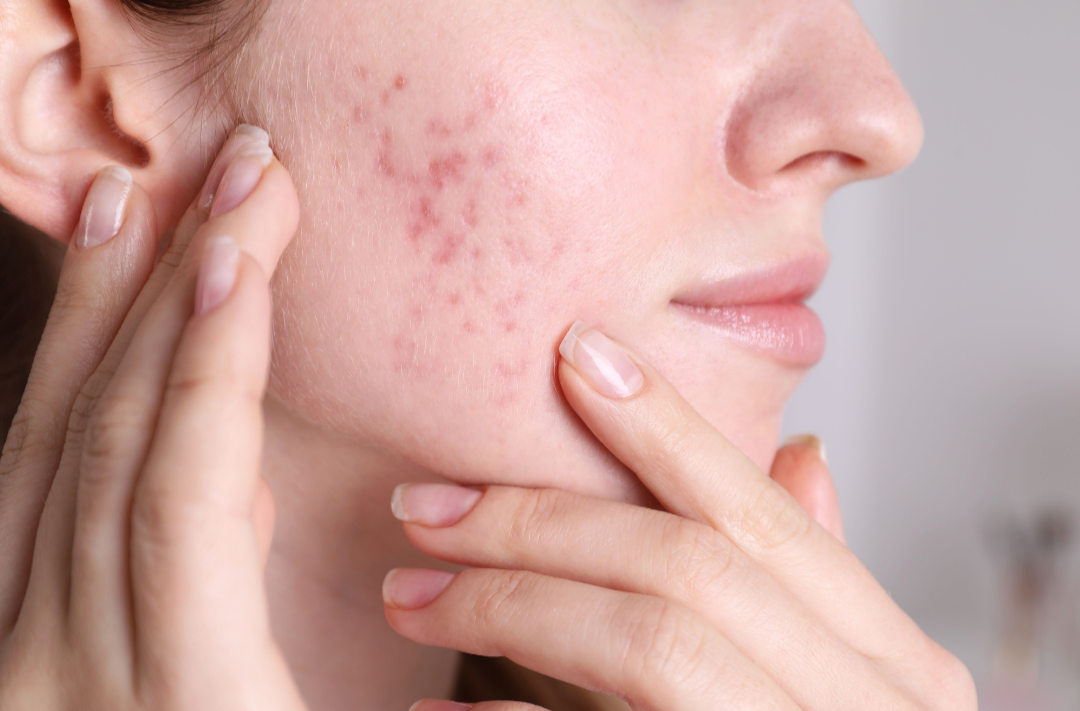
Acne may eventually clear, but the marks it leaves behind can linger much longer. For many people, acne scars affect not only skin texture but also confidence. The good news is that acne scars can improve with the right treatment plan.
At Skin Restored Medspa, we take a personalized approach because not all acne scars are the same. Understanding the type of scar and choosing the appropriate treatment is the first step toward smoother, healthier-looking skin.
Why Acne Scars Form
Acne scars develop when inflammation damages the skin’s deeper layers. During healing, the body produces collagen to repair the area. If too little or too much collagen is produced, a scar may form.
Acne scars are more likely when breakouts are deep, inflamed, or repeatedly picked. Delayed treatment and ongoing inflammation can also increase the risk.
Types of Acne Scars
Different types of scars respond differently to treatment.
Atrophic Scars
These appear as shallow or depressed areas in the skin caused by collagen loss.
Common types include:
Ice pick scars — narrow, deep scars that extend into the skin
Boxcar scars — wider scars with defined edges
Rolling scars — soft, wave-like depressions
Post-Inflammatory Hyperpigmentation
These are dark or red marks left after acne heals. They are not true scars, but they can make the skin appear uneven.
Why Professional Treatment Matters
Acne scar improvement usually requires more than topical products. Many over-the-counter products may help support skin health, but deeper scars often need professional treatments that stimulate collagen remodeling and improve texture.
A customized plan allows us to treat both the visible scar and the underlying structural changes in the skin.
Expert-Recommended Treatments for Acne Scars
At Skin Restored Medspa, treatment recommendations depend on scar type, skin condition, and overall goals.
Microneedling
Microneedling is one of the most effective treatments for acne scars. Tiny controlled micro-injuries stimulate the skin’s natural healing response and encourage collagen production.
Benefits include:
✔ Improves skin texture
✔ Softens shallow acne scars
✔ Helps refine pores
✔ Supports long-term skin renewal
Results improve gradually over several weeks as collagen continues to rebuild.
Microneedling with PRP
For enhanced regeneration, microneedling can be paired with platelet-rich plasma (PRP). PRP uses your body’s own growth factors to support healing and tissue repair.
Benefits include:
✔ Accelerated recovery
✔ Improved collagen stimulation
✔ Enhanced skin texture and overall skin quality
This combination is especially helpful for clients focused on skin rejuvenation while treating scarring.
Subcision
Subcision is often recommended for deeper rolling scars that are tethered beneath the skin.
During treatment, a specialized technique releases the fibrous bands pulling the skin downward. This allows the skin to lift and creates a smoother surface.
Best for:
✔ Rolling acne scars
✔ Depressed scars that create uneven texture
Subcision is frequently combined with collagen-stimulating treatments for improved outcomes.
Chemical Peels
Chemical peels can help improve surface discoloration, mild textural irregularities, and post-inflammatory hyperpigmentation.
Benefits include:
✔ Brighter skin tone
✔ Faster cell turnover
✔ Improvement in superficial post-acne marks
While peels may not fully correct deeper scars, they can be an excellent complement to a broader treatment plan.
Laser Treatments
Laser treatments help stimulate collagen remodeling while improving skin texture and tone.
Depending on the treatment selected, laser can help address:
✔ Mild to moderate acne scarring
✔ Redness or pigmentation
✔ Overall skin texture
Laser is often incorporated strategically based on skin type and recovery preferences.
How Many Treatments Will You Need?
Acne scar treatment is gradual. Most clients benefit from a series of treatments rather than a single session.
The number of sessions depends on:
Type and depth of scarring
Skin healing response
Treatment method
Desired level of improvement
Because collagen remodeling takes time, results continue to improve over the following weeks and months.
The Importance of Treating Active Acne First
Before treating acne scars, active breakouts should be under control. Ongoing inflammation can create new scars and interfere with treatment progress.
A stable skin foundation leads to better long-term results.
At-Home Care Supports Better Results
Professional treatments work best when supported by proper skincare.
We typically recommend:
✔ Daily SPF protection
✔ Gentle exfoliation when appropriate
✔ Hydrating, barrier-supportive skincare
✔ Avoiding picking or irritation
Protecting the skin from sun exposure is especially important because healing skin is more vulnerable to pigmentation changes.
The Skin Restored Medspa Approach
At Skin Restored Medspa, acne scar treatment is never one-size-fits-all.
We focus on:
✔ Careful skin assessment
✔ Personalized treatment planning
✔ Combining treatments when beneficial
✔ Supporting long-term skin health and collagen renewal
Our goal is meaningful improvement that looks natural and feels confidence-boosting.
Final Thoughts
Acne scars can be challenging, but they are treatable. With the right combination of professional treatments, collagen stimulation, and consistent care, skin texture and overall clarity can improve significantly over time.
If you are ready to address acne scars with expert guidance, our team at Skin Restored Medspa is here to help create a customized treatment plan designed for your skin.
Book your consultation today and take the next step toward smoother, healthier-looking skin.
